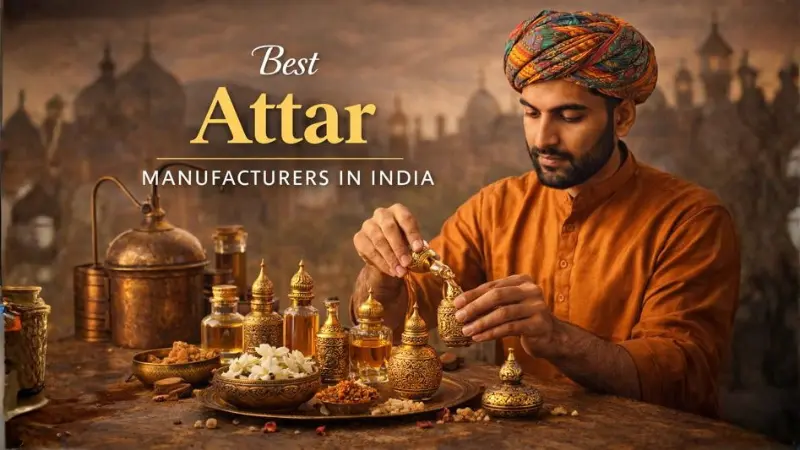
Ever walked into a room and been transported by the rich, lingering scent of pure attar? That's the magic we're talking about here.
India has been crafting attar for over 5,000 years. While the world chases synthetic fragrances, a dedicated group of artisans continues an ancient tradition that turns flowers into liquid gold. If you're looking to source authentic attar for your business or just want to understand what makes Indian attar special, you're in the right place.
Let's walk through everything you need to know about finding the best attar manufacturers in India.
Before we jump into manufacturers, let's clear up what attar actually is. Because honestly, a lot of people confuse it with regular perfume oils.
Attar (also spelled ittar) is a natural perfume oil derived from botanical sources through traditional distillation methods. The key difference? It's completely alcohol-free and uses sandalwood oil or another natural base instead.
The traditional process goes like this: fresh flowers (usually roses, jasmine, or other aromatics) are placed in copper vessels with water. These vessels connect to another vessel containing sandalwood oil. As the water heats up, the fragrance molecules transfer into the sandalwood oil through steam distillation. What you get is a concentrated, pure, and absolutely mesmerizing scent.
This isn't some quick factory process. A single batch of high-quality rose attar can take 15-20 days to produce. That's why authentic attar costs what it does.
You might wonder, why India? Can't attar be made anywhere?
Technically yes, but India has advantages that are hard to replicate:
Centuries of Expertise Attar-making knowledge has passed down through generations. Many manufacturers today are continuing family traditions that go back 200-300 years. That accumulated wisdom matters.
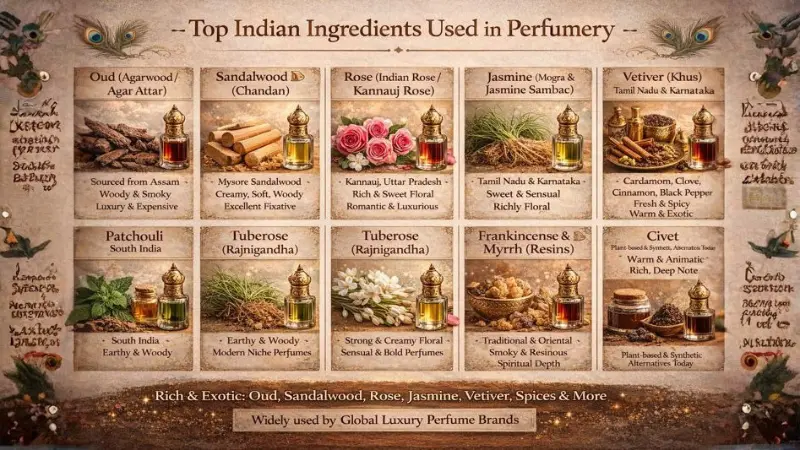
Access to Raw Materials India grows many of the flowers and herbs used in attar production. Rose, jasmine, kewra, vetiver, and countless other ingredients grow abundantly here. Fresh, local ingredients make better attar. Period.
The Kannauj Legacy This small town in Uttar Pradesh is called the "perfume capital of India" for good reason. The soil, climate, and traditional knowledge concentrated here create attars that win international awards.
Artisanal Craftsmanship While Western perfumery moved toward industrial production, Indian attar-makers preserved the handcrafted approach. Each batch receives personal attention from skilled artisans.
Cultural Understanding Attar isn't just a product in India but it's woven into culture, religion, and daily life. This deep connection drives manufacturers to maintain authenticity rather than cut corners.
Not all attars are the same. Understanding different types helps you make better sourcing decisions.
Floral Attars These are the classics. Rose attar (gulab), jasmine (mogra), and kewra lead this category. They're versatile, widely loved, and form the foundation of the attar industry.
Herbal Attars Made from herbs like vetiver (khus), patchouli, and sandalwood. These tend to be earthy, grounding, and popular in aromatherapy applications.
Spice-Based Attars Think saffron, cardamom, and cinnamon. These create warm, exotic scents often used in luxury products.
Musky Attars Traditionally made with deer musk (now mostly replaced with synthetic or plant-based alternatives for ethical reasons). These are intense, long-lasting, and used as base notes.
Blended Attars Combinations of multiple ingredients create complex, unique fragrances. Names like "Shamama," "Majmua," and "Hina" fall into this category. These require serious skill to balance properly.
Seasonal Attars Some attars are specifically created for different seasons. Light, fresh attars for summer; warm, rich ones for winter. Understanding seasonal fragrance preferences helps you stock the right products.
Attar production isn't evenly distributed across India. Certain regions dominate due to climate, tradition, and infrastructure.
Kannauj, Uttar Pradesh This is the heart of Indian attar production. Over 400 distilleries operate here, ranging from small family units to larger commercial operations. If you're serious about attar, you can't ignore Kannauj.
Why Kannauj? The region has ideal conditions for growing damask roses and other flowers. Plus, generations of expertise concentrated here mean even small manufacturers maintain high standards.
Delhi & NCR Region While not traditional production centers, Delhi and NCR (including Noida and Ghaziabad) host many modern fragrance manufacturers who blend traditional attar-making with contemporary techniques. Perfume manufacturers in Delhi NCR and Noida often offer both traditional attars and modern fragrance solutions.
Jaipur, Rajasthan Known particularly for kewra attar and certain herbal varieties. Rajasthan's climate suits specific aromatic plants that don't grow as well elsewhere.
Lucknow, Uttar Pradesh Another important hub, particularly for finished attar products and retail distribution. Many manufacturers here focus on blended attars with unique formulations.
Not every manufacturer claiming to make "pure" attar actually does. Here's what separates the real deal from the pretenders:
Traditional Distillation Methods Authentic attar comes from deg-bhapka distillation (copper pot distillation). If a manufacturer uses modern extraction methods, they might be making excellent fragrance oils, but it's not traditional attar.
Quality of Raw Materials The best manufacturers either grow their own flowers or source from trusted local farmers. Fresh, pesticide-free flowers make dramatically better attar. Ask where their raw materials come from.
Skilled Artisans Attar-making isn't something you learn from a textbook. It requires experienced "attarwalas" who understand the subtle art of distillation. Companies that invest in training and retaining skilled craftspeople produce better products.
Transparent About Ingredients A good manufacturer tells you exactly what's in their attar. If they're vague or use terms like "secret formula" for basic rose attar, be cautious.
Reasonable Pricing Real attar isn't cheap. If someone offers you rose attar at Rs. 500 per tola (12ml), it's almost certainly diluted or synthetic. Know the market rates and be suspicious of deals that seem too good to be true.
Certifications and Testing While attar is traditional, modern manufacturers should still have basic quality certifications. Look for companies that test for purity and can provide documentation.
Customization Capabilities The best manufacturers don't just sell what they have but they can create custom fragrances based on your specifications.
This is where most buyers get confused. How do you actually know if attar is pure?
The Base Oil Matters Traditional attar uses sandalwood oil as a base. High-quality sandalwood oil itself is expensive (Rs. 10,000-30,000 per kg depending on origin). Some manufacturers use cheaper bases like liquid paraffin or synthetic sandalwood. Always ask what base they use.
Concentration Levels Attar comes in different concentration levels. Some are highly concentrated (requiring just one drop), while others are diluted for easier application. Neither is "wrong," but you should know what you're buying.
Aging Process Like fine wine, good attar improves with age. Many manufacturers age their attars for months or even years before selling. This maturation process allows the scent to develop complexity and depth.
The Blotter Test Apply a drop to a blotter paper and smell it over several hours. Real attar evolves, revealing different notes as it dries. Synthetic fragrances tend to smell the same throughout or fade quickly.
The Oil Test Real attar is oil-based, so it doesn't evaporate quickly like alcohol-based perfumes. Put a drop on your skin and it should last 8-24 hours.
Color and Consistency Each attar has characteristic color and viscosity. Rose attar should be pale yellow to amber. If it's completely clear or bright colored, question its purity.
Attar pricing confuses a lot of buyers. Let me break it down:
Rose Attar (Gulab)
Jasmine Attar (Mogra) Generally more expensive than rose because jasmine yields less oil:
Sandalwood Attar Depends heavily on sandalwood oil quality and origin:
Herbal Attars (Vetiver, Patchouli) Generally more affordable:
Blended Attars Wide price range depending on ingredients:
Remember, wholesale pricing differs significantly from retail. If you're buying in bulk (100+ tolas), expect 30-50% discounts from these rates.
While talking about quality attar and perfume oil manufacturers, JK Aromatics & Perfumers deserves attention for their comprehensive approach.
What makes them relevant in the attar discussion? They understand that modern businesses need both traditional authenticity and contemporary reliability.
Wide Product Range Beyond traditional attars, they offer natural essential oils and fine fragrances which complement attar-based product lines. Check their complete categories to see the full range.
Quality Standards Operating from the NCR region, they maintain modern quality control while respecting traditional formulation principles. This balance matters when you need consistent supply for commercial applications.
Application Expertise Whether you're creating cosmetics, soaps, or other fragranced products, understanding how attar behaves in different applications is crucial. Their technical team can guide formulation decisions.
Transparent Communication Visit their FAQ section for straightforward answers about products, or contact them directly with specific questions. No vague marketing-speak, just real information.
You might think attar is only for traditional products. Not true. Smart modern brands are incorporating attar into contemporary offerings:
Luxury Cosmetics High-end skincare and cosmetic brands use attar to create premium, natural fragrances. The cosmetics fragrance market increasingly values authentic natural ingredients.
Artisanal Soaps Handmade soap makers love attar because it's alcohol-free (won't evaporate during saponification) and adds luxury appeal. Works beautifully in soap formulations.
Spa and Wellness The aromatherapy and wellness industry uses attar extensively. Traditional Indian attars fit perfectly with spa and wellness branding.
Candles Premium candle brands are experimenting with attar in candle formulations, though this requires understanding how attar behaves in wax.
Personal Care Products From hair oils to body lotions, attar adds a natural, luxurious dimension that synthetic fragrances can't match.
Here's where things get interesting. Traditional attar is 100% natural. But the market also has "synthetic attars" and "nature-identical" versions.
Pure Natural Attar Pros: Authentic, complex scent profiles, aromatherapeutic benefits, strong marketing appeal Cons: Expensive, batch variations, shorter shelf life
Synthetic/Nature-Identical Attar Pros: Consistent, affordable, longer shelf life, readily available Cons: Lacks complexity, doesn't develop on skin the same way, can't be marketed as "pure natural"
Which should you choose? Depends on your market and positioning. If you're selling premium, natural products, you need the real thing. If you're creating affordable commercial products, a high-quality synthetic might make more sense.
Want to understand this better? Read about natural vs synthetic fragrances and how they compare in different applications.
Watch out for these warning signs:
Unrealistic Claims If someone claims their rose attar is "100% pure" but costs Rs. 300 per tola, they're lying. The raw materials alone cost more than that.
No Physical Location Legitimate attar manufacturers have physical facilities. If someone only operates online with no factory address, be very cautious.
Pressure Sales Tactics Good manufacturers let their products speak for themselves. High-pressure sales tactics often indicate they're trying to move inferior products quickly.
Refusing Samples Any legitimate manufacturer should offer samples before you commit to bulk orders. If they won't, walk away.
Vague About Production Methods If they can't or won't explain how their attar is made, there's probably a reason. Transparency matters.
No Knowledge Transfer Good manufacturers educate their customers. They should be able to answer technical questions about applications, storage, and usage.
This is a common dilemma. Should you source from traditional Kannauj artisans or modern manufacturers?
Traditional Kannauj Artisans Best for: Authentic, premium attars for luxury markets Advantages: Unmatched quality, traditional methods, unique formulations Challenges: Smaller quantities, less consistent supply, may lack modern documentation
Modern Manufacturers Best for: Commercial applications, consistent supply needs, documented quality Advantages: Scalability, certifications, reliable delivery, technical support Challenges: May not match the artisanal quality of top Kannauj producers
Honestly? Many successful businesses use both. They source premium attars from Kannauj artisans for their luxury line, and work with modern manufacturers for consistent commercial-grade products.
Once you source your attar, proper storage matters:
Temperature Control Store attar in cool places (15-25°C ideally). Heat degrades quality over time.
Away from Light UV light breaks down natural compounds. Keep attar in dark glass bottles in dark places.
Airtight Containers Exposure to air causes oxidation. Minimize air contact by keeping containers tightly sealed.
Avoid Contamination Use clean droppers or applicators. Don't dip used applicators back into bottles.
Expected Shelf Life
These are general guidelines. Properly stored attar often lasts much longer.
Indian attar has strong international demand, particularly in:
Middle East The biggest market for Indian attar. Countries like UAE, Saudi Arabia, and Qatar import massive quantities. The cultural affinity for oil-based perfumes makes this a natural market.
Europe Growing interest in natural, artisanal fragrances has opened European markets. France, UK, and Germany show particular interest.
North America The natural product movement in the US and Canada creates opportunities for authentic attar.
Southeast Asia Malaysia, Indonesia, and Singapore have significant demand, particularly for rose and jasmine attars.
If you're considering export, ensure your manufacturer can provide:
How can I verify if attar is pure? Request lab testing for major purchases. Testing can identify synthetic additions or dilution. Also, build relationships with manufacturers who have proven track records.
What's the minimum order quantity? Varies widely. Traditional Kannauj distilleries might require 1 kg minimum (about 80+ tolas). Modern manufacturers often work with smaller quantities, sometimes as low as 250-500 grams.
Can attar be used in alcohol-based perfumes? Yes, though it's traditionally alcohol-free. Many modern perfumers incorporate attar into alcohol-based formulations for unique scent profiles.
Does attar expire? It doesn't "expire" like food, but quality gradually changes. Some attars (like sandalwood) improve with age, while others (like citrus-based) are best used within 2-3 years.
Why do prices vary so much between manufacturers? Raw material quality, distillation method, base oil type, concentration level, and brand positioning all affect pricing. It's not just markup but real quality differences.
Can I create my own signature attar blend? Absolutely. Many manufacturers offer custom fragrance development. Expect minimum order quantities of 5-10 kg for custom blends.
Is attar better than essential oil? They're different products for different purposes. Attar is designed as a perfume, while essential oils serve aromatherapy and therapeutic purposes. Learn about fragrance oil vs essential oil differences.
How long does attar last on skin? Quality attar lasts 8-24 hours on skin, much longer than alcohol-based perfumes. The scent also evolves throughout the day, revealing different notes.
Finding a good attar manufacturer isn't a one-time transaction but the start of a relationship.
Start with Clear Communication Be upfront about your needs, budget, and expectations. Good manufacturers appreciate clarity and will work with you honestly.
Provide Feedback Whether positive or constructive, feedback helps manufacturers understand your needs better. This improves your future orders.
Pay on Time Especially with smaller artisans, timely payment builds trust and often gets you priority treatment during peak seasons.
Plan Ahead Some attars (particularly rose) have seasonal production. Place orders in advance rather than expecting immediate availability.
Visit if Possible Nothing beats visiting a manufacturer's facility. You learn more in one visit than in months of emails. If you're serious about attar, plan a trip to Kannauj.
Respect Their Expertise These manufacturers have forgotten more about attar than most of us will ever know. Listen to their advice on applications, storage, and usage.
What's ahead for India's attar industry?
Growing Global Recognition International appreciation for artisanal, natural products benefits Indian attar makers. Export potential continues expanding.
Youth Involvement Younger generations are entering the family businesses, bringing modern marketing and business practices while respecting traditional methods.
Technology Integration Some manufacturers are using technology for quality control and consistency while maintaining traditional distillation methods for the actual production.
Sustainability Focus Increasing emphasis on sustainable harvesting of flowers and herbs ensures long-term viability of raw materials.
Certification Standards Development of specific certification standards for attar (similar to wine appellations) could help distinguish authentic products from imitations.
Innovation in Applications New uses for attar in modern products continue emerging, from premium air fresheners to luxury fabric care products.
Choosing the right attar manufacturer comes down to understanding your needs:
For Luxury Retail: Source from top Kannauj artisans with proven reputations For Commercial Products: Work with modern manufacturers who balance quality with consistency For Custom Development: Find manufacturers with strong R&D capabilities For Export: Choose manufacturers with proper documentation and certifications
Don't rush this decision. Sample products from multiple manufacturers, ask lots of questions, and start with smaller orders before committing to bulk purchases.
The Indian attar industry offers incredible diversity. From tiny family-run distilleries producing 50 kg per year to larger operations handling tons, there's a manufacturer for every need and budget.
The journey to finding your perfect attar manufacturer starts with clear goals and good information. Whether you're launching a luxury perfume line, adding natural fragrances to wellness products, or exploring export opportunities, India's attar manufacturers can deliver.
Remember that authentic attar represents centuries of tradition, skilled craftsmanship, and pure natural ingredients. It's worth taking time to find the right source rather than settling for inferior products.
Have specific questions about incorporating attar into your products? Need guidance on quality standards or pricing? JK Aromatics & Perfumers offers expertise across both traditional and modern fragrance solutions.
Connect with fragrance experts who understand the nuances of attar quality and can help you make informed sourcing decisions.
The right attar doesn't just add fragrance to your product but it adds authenticity, luxury, and a connection to India's rich perfumery heritage. Make that connection count.
Want to learn more about fragrances, attar applications, and industry trends? Explore our comprehensive blog for detailed guides and expert insights on navigating India's fragrance industry.


Partner with JK Aromatics for innovative fragrance solutions that elevate your brand and delight your customers. Our team of experts is ready to bring your vision to life.