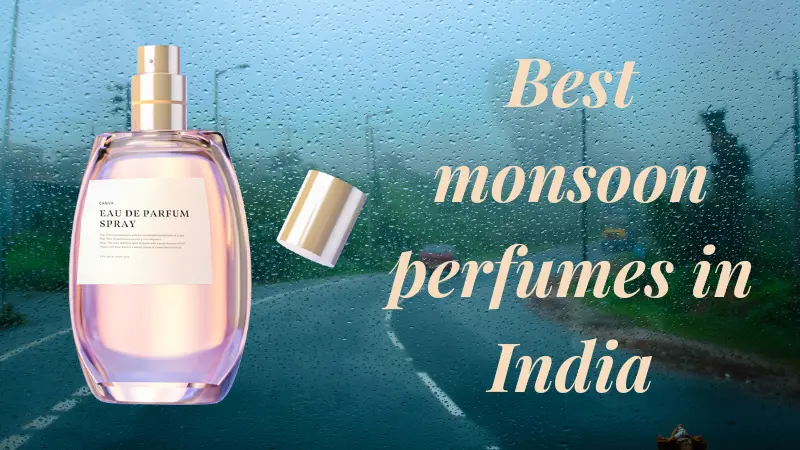
There's something magical about the first rain after months of summer heat. That smell of wet earth, the petrichor that fills the air, it's one of the best natural fragrances in the world.
But here's the problem: finding a perfume that actually works during monsoon is harder than you'd think.
The humidity is insane. You're sweating even when it's not hot. Your clothes feel damp. And that expensive perfume you bought? It either disappears in an hour or turns into something weird and heavy that makes you feel worse.
If you've struggled to find monsoon perfumes that actually smell good and last through India's rainy season, this guide is for you.
Monsoon in India isn't just about rain. It's about constant humidity that sits between 70% to 90% for months. Your skin stays moist, sometimes too moist. The air feels thick. And everything just smells... damp.
Heavy perfumes that worked beautifully in winter suddenly feel suffocating. That rich oud or deep vanilla that was perfect in December becomes overwhelming in July.
Your skin chemistry changes with the weather too. The moisture and warmth make fragrances develop differently. Some notes that were subtle become loud. Others that were prominent just vanish.
Think about wearing a heavy wool sweater in the rain. Uncomfortable, right? Same thing happens when you wear winter perfumes in monsoon. You need something that breathes, something fresh and light that won't feel like it's choking you.
Not every fragrance can handle India's monsoon. Here's what you actually need:
Fresh and clean notes are essential. Citrus, green notes, aquatic accords, these cut through the humidity and feel crisp even when the air is heavy.
Light to medium concentration works better. Eau de Toilette or light Eau de Parfum concentrations are ideal. You don't want something so strong it becomes cloying in humid weather.
Good sillage but not too heavy is the balance you're looking for. You want people to smell you when they're close, but not announce your presence from across the street.
Notes that don't turn weird in humidity matter more than you think. Some ingredients smell different when mixed with moisture and sweat. Stick to stable notes that perform consistently.
Quick-drying formulas help. You don't want perfume sitting wet on your skin in already humid weather. Alcohol-based perfumes evaporate faster and feel fresher.
Citrus is the MVP of monsoon season. Lemon, bergamot, orange, grapefruit, lime, these notes feel like a burst of sunshine cutting through gray rainy days.
The thing about citrus is it's naturally refreshing. It doesn't fight the humidity, it works with it. When you spray a good citrus perfume on a muggy day, there's this instant feeling of freshness that just makes everything better.
The downside? Citrus fades fast. But honestly, in monsoon, you want something you can reapply anyway. Better a fresh fragrance that lasts 3-4 hours than a heavy one that sits on you all day making you uncomfortable.
These literally smell like water, clean, transparent, fresh. Think of the ocean breeze, or rain on a mountain lake. That's what aquatic notes create.
Aquatic fragrances became huge in the 90s and they're still perfect for humid weather. They use synthetic molecules that create that water-like freshness. Calone is the famous one, it smells like sea spray and melon.
These perfumes feel almost like wearing nothing, but in a good way. They're there, they smell nice, but they're not trying to compete with the rain and moisture in the air.
Green notes smell like cut grass, crushed leaves, stems, the fresh vegetation smell. They're crisp and natural, perfect for monsoon.
There's something about green fragrances that matches the season. Everything is literally green during monsoon. The trees are lush, plants are growing like crazy, and green perfumes capture that feeling.
Galbanum, violet leaf, and green tea notes work especially well. They're sharp enough to cut through humidity but natural enough to not feel artificial.
These use herbs like lavender, rosemary, basil, sage, mint. They're fresh but with more depth than pure citrus.
Aromatic perfumes feel clean without being boring. They've got character. The herbal notes add interest while staying light and breathable.
Lavender is probably the most popular aromatic note, and for good reason. It's calming, fresh, and incredibly versatile. Mix it with citrus or aquatic notes and you've got a perfect monsoon fragrance.
Not heavy roses or jasmine. Think lighter flowers like lotus, water lily, freesia, or light versions of traditional flowers.
Indian monsoon is actually blooming season for many flowers. Light floral perfumes connect with this natural cycle. They feel appropriate for the weather without being heavy.
The key word here is "light." You're not going for intense tuberose or heavy gardenia. You want delicate, dewy florals that feel like they're wet with rain.
Let's break down specific notes that actually work when it's raining:
Bergamot: The best citrus for perfumery. It's fresh but slightly bitter, which keeps it from being too sweet or candy-like.
Petrichor: Yes, you can actually buy perfumes with petrichor notes. It's that rain-on-earth smell we all love. Some Indian brands specifically create fragrances around this.
Marine Notes: Synthetic but amazing. They smell like salt air and ocean breeze. Very cooling in humid weather.
Ginger: Fresh, spicy, slightly warming but not heavy. Ginger adds interest without weight.
Green Tea: Clean, slightly bitter, very fresh. It's become super popular in Asian fragrances for good reason.
Cucumber: Sounds weird but smells incredibly fresh and watery. Works perfectly in monsoon.
Mint: Obviously cooling and fresh. Use it in moderation though, too much can be overwhelming.
Vetiver: This is interesting because vetiver can be heavy, but when used lightly, it adds an earthy, rooty freshness that's perfect for rainy weather. It's actually a grass root native to India.
Light Musk: White musk specifically. It's clean and soft, adds longevity without heaviness.
First rule: test it in humid conditions. Don't test perfumes in air-conditioned stores and expect them to smell the same when you're walking in 85% humidity.
Go out after it's rained. Spray the perfume on your wrist. Walk around for an hour in the actual weather. That's the only way to know if it'll work.
Consider your daily routine. If you're commuting in crowded buses or trains, go lighter. If you work from home or have your own vehicle, you can handle slightly stronger scents.
Think about reapplication. Monsoon perfumes generally don't last as long as winter ones, and that's okay. Choose something you can spray 2-3 times a day without getting sick of it.
Check the ingredients if you have sensitive skin. Humidity plus certain fragrance ingredients can cause irritation. If you're prone to this, look for alcohol-free options or perfumes with skin-calming ingredients.
Wearing winter perfumes in monsoon. That oud or amber that was perfect in January will make you feel suffocated in July. Save the heavy stuff for winter.
Applying too much. The humidity amplifies fragrances. What seems light in your bathroom becomes intense when you step into 90% humidity. Start with less than you think you need.
Ignoring your body's reaction. Some people get headaches from strong fragrances in humid weather. If you feel uncomfortable, switch to something lighter.
Not considering your clothes. Damp clothes hold and amplify scent. Spray less on clothes during monsoon and focus more on skin.
Storing perfumes badly. Monsoon brings moisture and temperature changes. Keep your perfumes in a cool, dry place, definitely not the bathroom where humidity is highest.
Buying online without testing. You really need to test monsoon perfumes in actual monsoon conditions. What sounds fresh in a description might not work for you in reality.
Even light perfumes can last reasonably well if you apply them right.
Moisturize first, even in humidity. Use a light, unscented lotion. Dry skin doesn't hold fragrance, even when the air is humid.
Spray on pulse points where blood flow is close to the surface: wrists, neck, inside elbows. These areas generate subtle warmth that helps diffuse the scent.
Layer smartly. Use a matching body wash or at least an unscented one. Conflicting scents in humid weather can create weird combinations.
Apply after shower. Clean skin holds fragrance better. Plus, you're already dealing with humidity and possible sweat, so start fresh.
Don't rub your wrists together. This breaks down the fragrance molecules. Just spray and let it dry naturally.
Carry a small travel spray. Monsoon perfumes fade faster, so having a 10ml spray in your bag for midday reapplication is smart.
Spray your hair carefully. Hair holds scent well, but alcohol can dry it out. If you have dry hair, either skip this or use a hair mist instead.
Apply to clothes strategically. A light spray on the inside of your collar or cuffs can extend longevity. Just test first to ensure it doesn't stain.
For Office: Something clean and professional. Citrus-aromatic blends work perfectly. You want colleagues to think you smell fresh, not like you bathed in perfume.
For Casual Outings: Light aquatic or green fragrances. Perfect for meeting friends for chai or running errands. Comfortable and easy to wear all day.
For Indoor Events: You can go slightly heavier here since you'll be in air conditioning. Light florals or aromatic-woody combinations work well.
For Outdoor Activities: Super light citrus or barely-there fresh scents. If you're going to get rained on anyway, don't waste expensive perfume. A body mist might be more practical.
For Evening Events: Even in monsoon, evenings can handle slightly richer fragrances. Aromatic-woody combinations or fresh florals with a bit more depth work nicely.
This matters more than you think:
Eau Fraiche (1-3%): Ultra light, lasts 1-2 hours. Actually perfect for monsoon if you're okay with reapplying often. Very affordable too.
Eau de Cologne (3-5%): Classic light concentration. Refreshing and perfect for multiple applications throughout the day.
Eau de Toilette (5-15%): The sweet spot for monsoon. Light enough to not overwhelm but concentrated enough to last 3-4 hours.
Light Eau de Parfum (10-15%): If you want something that lasts longer but isn't heavy, look for EDPs marketed as "fresh" or "light." They exist specifically for humid climates.
For monsoon in India, most people find EDT concentration ideal. It's strong enough to smell good but light enough to not feel suffocating when you're dealing with 85% humidity.
Here's what actually happens: humidity affects how volatile compounds in perfume evaporate.
In dry weather, perfumes evaporate steadily. In humid weather, the water vapor in the air slows down evaporation for some molecules and speeds it up for others. This changes the balance of top notes, middle notes, and base notes.
Top notes (the light, fresh ones) can actually get suppressed in very humid conditions. Middle and base notes become more prominent. This is why heavy perfumes feel even heavier in monsoon, the base notes dominate.
The moisture on your skin also affects absorption. In monsoon, your skin is naturally more hydrated, which can make fragrances last longer but also develop differently.
This isn't just theoretical. If you've ever noticed your perfume smelling different in different weather, this is why. The same bottle will perform differently in dry winter vs humid monsoon.
India's monsoon is unique. It's not just rain, it's months of consistent humidity mixed with warmth. This is different from rainy seasons in Europe or even other Asian countries.
International brands often design "summer" or "fresh" fragrances for Western climates. Those might work partially but aren't optimized for Indian monsoon specifically.
Indian fragrance manufacturers like JK Aromatics & Perfumers understand this difference. They create fragrances specifically tested for Indian weather conditions, including our unique monsoon climate. Their expertise in fragrance manufacturing means they know exactly which notes and concentrations work best when humidity hits 90%.
Both have their place, but synthetics often perform better in humid conditions.
Natural essential oils like real bergamot or lavender are beautiful, but they can be less stable in high humidity. They're also more expensive, and since monsoon perfumes need reapplication, cost adds up.
Synthetic molecules designed for aquatic or marine notes don't exist in nature. They're created specifically to smell fresh and perform well in various conditions. They're also more consistent.
That said, natural essential oils have depth and complexity that synthetics sometimes lack. The best monsoon perfumes often use both, synthetics for freshness and longevity, naturals for character and richness.
You don't need ten different monsoon perfumes. Three covers most situations:
These three will handle everything from office to weekend to special occasions during the rainy season.
Body mists are actually worth considering for monsoon. Here's why:
They're lighter than EDT, less expensive, and perfect for multiple applications. If you're going to reapply three times a day anyway, a body mist makes practical sense.
The downside is they last even shorter, maybe 1-2 hours maximum. But in monsoon, is that really a problem? You want freshness, not all-day projection.
Some people use both: a light EDT as their base fragrance and a body mist for quick refreshes throughout the day. That's actually smart for Indian monsoon conditions.
Monsoon hits different parts of India differently.
Mumbai and Coastal Areas: Very high humidity, constant rain. You need the lightest possible fragrances here. Aquatic and citrus work best.
Delhi NCR: Humid but not as intense as coastal areas. You can handle slightly more fragrance here. Aromatic and green notes work well.
Bangalore: Milder humidity, pleasant rain. Actually the easiest place for monsoon perfumes. Most fresh fragrances work fine.
Kolkata: High humidity similar to Mumbai. Stick to very light, fresh scents.
North Eastern States: Heavy rainfall, high humidity. Light fragrances are essential.
Consider where you live when choosing monsoon perfumes. What works in Bangalore might be too heavy for Mumbai during peak monsoon.
Monsoon season overlaps with festivals like Teej, Raksha Bandhan, and early Navratri in some regions. You want to smell nice for these but stay comfortable.
For festivals during monsoon, go with aromatic-floral combinations. They feel festive without being overwhelming. Light sandalwood-citrus blends also work beautifully, they have cultural resonance without the heaviness of pure sandalwood.
Indian festival traditions often involve flowers, incense, and food. Choose perfumes that complement these smells rather than compete with them. Fresh, clean fragrances work better than strong, distinctive ones.
The Indian perfume market is getting smarter about seasonal fragrances. More brands are creating monsoon-specific collections instead of just "summer" fragrances.
We're seeing more Indian-inspired fresh notes like curry leaf, basil, vetiver, and yes, even perfumes inspired by petrichor, that rain-on-earth smell we all love.
Sustainability is also becoming important. People want fragrances that don't just smell good but are made responsibly. Companies like JK Aromatics & Perfumers are leading this shift, creating quality fragrances with attention to both performance and environmental impact.
You don't need to spend thousands on monsoon perfumes. Since you'll reapply often and go through the bottle faster, budget matters.
Look for EDT concentrations from reliable manufacturers. They're less expensive than EDP but perfect for monsoon anyway.
Consider Indian brands. They're often more affordable than international ones and better suited for Indian weather. JK Aromatics & Perfumers offers quality options that perform well without the luxury brand markup.
Buy smaller bottles. A 30ml or 50ml bottle is smarter than a 100ml one if you're going to use it up in 3-4 months anyway.
Explore body mists and colognes. They're significantly cheaper and actually more practical for monsoon in many cases.
If you're in most parts of India, summer and monsoon overlap. You don't always need to completely switch.
Start by reducing the amount of perfume you spray. Your summer citrus might still work, just use less of it.
Add an aquatic or green fragrance to your rotation. Alternate based on daily humidity levels.
Save anything heavy for air-conditioned indoor days. Just because it's monsoon doesn't mean you can't wear richer scents when you'll be indoors all day.
Pay attention to how you feel. If your perfume is making you uncomfortable or giving you headaches, switch immediately. Your body is telling you something.
Q: Why do my perfumes smell different in monsoon?
Humidity changes how fragrance molecules evaporate and develop on your skin. The moisture in the air suppresses some notes and amplifies others. Plus, your skin chemistry changes with the weather, affecting how the perfume reacts with your body.
Q: How many times should I reapply perfume during monsoon?
Most monsoon perfumes last 3-4 hours in high humidity. Reapplying 2-3 times a day is normal and expected. Choose something you enjoy smelling throughout the day.
Q: Can I wear the same perfume in both summer and monsoon?
It depends on the perfume. Light citrus and aquatic fragrances work across both seasons. Heavier summer florals or oriental scents might feel too much in monsoon humidity. Test it out and see how you feel.
Q: Are expensive perfumes better for monsoon?
Not necessarily. Quality matters more than price. A well-made affordable perfume can perform better than a poorly chosen expensive one. For monsoon specifically, you want appropriate notes and concentration regardless of price.
Q: Should I spray perfume on clothes or skin during monsoon?
Both, but carefully. Skin first, on pulse points. Then a light spray on clothes if needed. Remember that damp clothes amplify scent, so use less than you would in dry weather.
Q: Do aquatic perfumes actually smell like water?
Not exactly like water since water is odorless, but they smell like the association we have with water: fresh, clean, slightly salty like ocean breeze, or dewy like morning mist. It's achieved through synthetic molecules that create that impression.
Q: Can humidity cause skin irritation from perfumes?
Yes, sometimes. The combination of moisture, heat, fragrance, and possibly sweat can irritate sensitive skin. If this happens, switch to alcohol-free perfumes, apply less, or spray only on clothes.
Q: What's petrichor and can I actually buy perfumes that smell like it?
Petrichor is that earthy smell when rain hits dry soil. It's caused by oils from plants and bacteria in the soil. Yes, some perfumes recreate this smell using natural earthy notes like vetiver, patchouli, and synthetic molecules. Several Indian brands make petrichor-inspired fragrances.
Q: Are body sprays better than perfumes for monsoon?
They're different tools. Body sprays are lighter and cheaper, perfect for frequent reapplication. Perfumes last longer and have more depth. For monsoon, having both is actually smart, perfume for your main scent, body spray for quick refreshes.
Q: How do I store perfumes during monsoon season?
Keep them in a cool, dry place away from humidity. Not the bathroom. A bedroom drawer or shelf works well. The cardboard box provides extra protection. Excessive humidity and temperature changes can degrade fragrances over time.
Monsoon perfumes are about staying fresh when everything around you feels damp. They're about finding that perfect scent that makes you feel good even when the weather is gloomy.
The rainy season in India lasts months. You're going to spend a significant part of the year in these conditions. Having perfumes that actually work for this weather makes a real difference in how you feel every day.
Don't fight the monsoon with heavy perfumes. Work with it using fresh, light fragrances that complement the season instead of competing with it.
Quality matters. Concentration matters. But most importantly, how the perfume makes you feel in actual humid, rainy conditions matters more than anything else.
If you're looking for fragrances specifically designed for Indian weather conditions, JK Aromatics & Perfumers brings decades of expertise in creating perfumes that perform beautifully in our unique climate. From fresh fragrances to custom formulations, they understand what works when humidity hits 90%.
Ready to find your perfect monsoon fragrance? Connect with JK Aromatics & Perfumers and discover scents that'll make every rainy day feel fresh and comfortable.

Partner with JK Aromatics for innovative fragrance solutions that elevate your brand and delight your customers. Our team of experts is ready to bring your vision to life.