Introduction: The Growing World of Aroma Chemicals in India
The fragrance and flavor industry is a tapestry woven with art and science, and at its very core lie aroma chemicals. These fascinating compounds, whether derived from natural sources or crafted synthetically, are the building blocks that empower perfumers, product developers, and manufacturers to create captivating scents and tastes. India, with its rich heritage in natural botanicals and a rapidly expanding industrial base, is emerging as a pivotal player in the global aroma chemicals market.
As we approach 2026, the landscape of aroma chemicals in India is dynamic, driven by increasing consumer demand, technological advancements, and a heightened focus on sustainability. For buyers, understanding this evolving ecosystem is not just an advantage; it's a necessity for securing high-quality, compliant, and cost-effective ingredients. This comprehensive guide will delve into what buyers need to know to navigate the Indian aroma chemical market successfully in the coming years.
What Are Aroma Chemicals? Unpacking the Essentials
Aroma chemicals are individual chemical compounds that possess a distinct odor or flavor. Unlike complex natural essential oils, which are mixtures of many compounds, aroma chemicals are often single molecules, allowing for precise control over scent profiles. They are used across a multitude of industries, from fine fragrances and cosmetics to home care products and industrial applications.
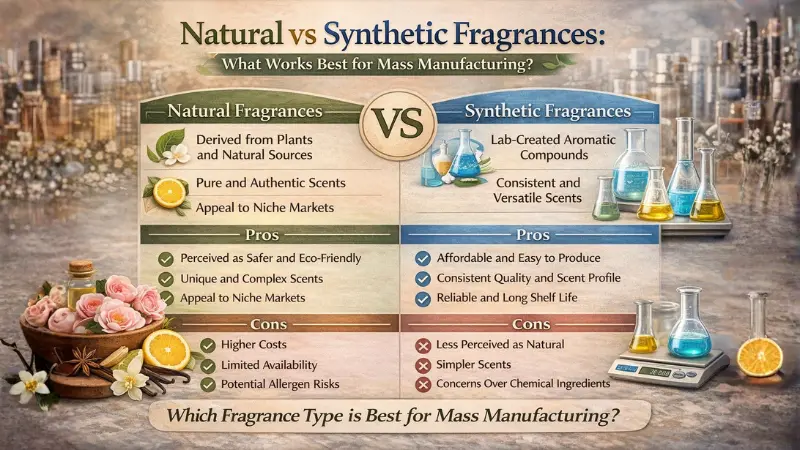
Natural Isolates vs. Synthetic Aroma Chemicals
A fundamental distinction in the world of aroma chemicals is between natural isolates and synthetic compounds:
- Natural Isolates: These are individual aroma compounds extracted and purified from natural sources like essential oils. For example, menthol from peppermint oil or eugenol from clove oil. While natural in origin, they are isolated to achieve a specific scent profile and purity.
- Synthetic Aroma Chemicals: These are compounds created in a laboratory, often mimicking molecules found in nature or creating entirely new scent profiles not found naturally. They offer advantages in terms of cost, consistency, availability, and sometimes, sustainability (reducing reliance on scarce natural resources).
The choice between these depends on various factors, including desired scent, cost implications, regulatory requirements, and brand philosophy. For a deeper dive into this distinction, explore our article on natural vs. synthetic fragrances: what's right for your brand.
India's Aroma Chemical Market Landscape in 2026
India's economy continues its robust growth trajectory, directly fueling the expansion of end-use industries that rely heavily on aroma chemicals. Several factors are contributing to this growth:
- Rising Disposable Income: As incomes increase, consumers demand higher quality and more sophisticated personal care, home care, and luxury products, all of which are enriched by aroma chemicals.
- Urbanization and Lifestyle Changes: A growing urban population leads to increased consumption of packaged goods, detergents, toiletries, and fine fragrances, boosting demand for their aromatic components.
- 'Make in India' Initiative: Government support for local manufacturing is encouraging domestic production of aroma chemicals, reducing reliance on imports and fostering self-sufficiency.
- Technological Advancements: Indian manufacturers are investing in R&D to produce novel aroma molecules and improve synthesis processes, enhancing quality and reducing production costs.
- Export Potential: Indian aroma chemical manufacturers are increasingly meeting global standards, making them attractive suppliers for international buyers looking for competitive pricing and diverse offerings.
Key Application Areas
Aroma chemicals are indispensable across a broad spectrum of industries:
- Fine Fragrances: They form the backbone of perfumes, colognes, and body mists, providing the top, middle, and base notes that create complex and lasting scent compositions.
- Cosmetics & Personal Care: From shampoos and soaps to lotions and deodorants, aroma chemicals lend pleasant scents and mask undesirable odors, enhancing the user experience.
- Home Care Products: Detergents, fabric softeners, air fresheners, and cleaning agents all utilize aroma chemicals to deliver appealing and long-lasting freshness.
- Food & Beverages: Certain aroma chemicals are approved as flavor ingredients, crucial for confectionery, baked goods, beverages, and processed foods.
- Industrial Applications: Masking agents in industrial solvents, automotive products, and other functional applications.
Critical Factors for Buyers When Sourcing Aroma Chemicals in India
For any business looking to source aroma chemicals in India, a meticulous approach is vital. Here are the key considerations:
1. Quality & Purity
The efficacy and safety of your final product depend heavily on the quality and purity of the aroma chemicals used. Buyers must look for suppliers who:
- Provide comprehensive Certificates of Analysis (CoA) for each batch.
- Adhere to stringent quality control (QC) and quality assurance (QA) protocols.
- Utilize advanced analytical techniques like GC-MS (Gas Chromatography-Mass Spectrometry) to confirm purity and composition.
- Have a proven track record of consistent product quality.
2. Regulatory Compliance
Navigating the complex web of national and international regulations is paramount. Non-compliance can lead to severe penalties, product recalls, and reputational damage. Key regulations and standards to consider include:
- IFRA (International Fragrance Association) Standards: These global guidelines ensure the safe use of fragrance ingredients. Suppliers should confirm their products meet the latest IFRA amendments.
- REACH (Registration, Evaluation, Authorisation and Restriction of Chemicals): While a European regulation, it impacts global supply chains, and many Indian manufacturers align with its principles for export markets.
- BIS (Bureau of Indian Standards): National standards applicable to various products.
- FSSAI (Food Safety and Standards Authority of India): Relevant for flavor-grade aroma chemicals.
Understanding and verifying these compliance aspects is non-negotiable. Our blog post, Regulatory Checklist for Fragrance & Aromatics in India: What Every Brand Must Know, offers a detailed overview.
3. Sustainability & Ethical Sourcing
Consumer and corporate consciousness regarding environmental impact and ethical practices is at an all-time high. Buyers should prioritize suppliers who:
- Employ eco-friendly manufacturing processes, minimizing waste and energy consumption.
- Source raw materials responsibly, especially for natural isolates, avoiding deforestation or exploitative labor practices.
- Offer bio-based or biodegradable aroma chemicals.
- Have clear corporate social responsibility (CSR) initiatives.
4. Innovation & R&D Capabilities
The fragrance and flavor industry thrives on innovation. A forward-thinking supplier will invest in research and development to:
- Develop new aroma molecules that offer unique scent profiles or improved stability.
- Formulate custom blends tailored to specific client needs.
- Optimize production methods for efficiency and sustainability.
5. Supply Chain Reliability
Consistent and timely supply is critical for production schedules. Evaluate suppliers based on:
- Their production capacity and ability to meet your volume requirements.
- Robust logistics networks for efficient storage and transportation.
- Contingency plans for unforeseen disruptions.
- Ability to deliver globally, if applicable, adhering to international shipping regulations.
6. Cost-Effectiveness
While quality and compliance are paramount, cost is always a factor. Indian manufacturers often offer competitive pricing compared to Western counterparts, thanks to lower operational costs. Buyers should:
- Seek transparent pricing structures.
- Understand the total cost of ownership, including shipping, taxes, and potential duties.
- Be wary of prices that seem too low, as this might indicate compromises in quality or compliance.
- Negotiate effectively, understanding that prices can fluctuate based on global supply and demand for raw materials (often quoted in USD or INR).
Navigating the Supplier Landscape: Choosing the Right Partner
Finding the right aroma chemicals supplier in India requires diligence:
- Reputation and Experience: Look for established companies with a strong industry reputation and years of experience.
- Technical Expertise: A good supplier will have a team of chemists and perfumers who can offer technical support, guidance on formulation, and troubleshooting.
- Production Facilities: Ideally, visit the manufacturing site or request virtual tours to assess their infrastructure, hygiene standards, and technological capabilities.
- Customer Service: Responsiveness, clear communication, and a proactive approach to client needs are indicators of a reliable partner.
- Third-Party Certifications: Look for certifications like ISO 9001 (Quality Management), ISO 14001 (Environmental Management), and other industry-specific audits.
Future Trends Shaping the Aroma Chemical Industry in India (2026 & Beyond)
The aroma chemical market in India is not static; it's continuously evolving. Buyers should anticipate and prepare for these key trends:
- Biotechnology and Green Chemistry: Expect a surge in bio-fermentation and other green chemistry techniques for producing aroma chemicals, offering more sustainable and environmentally friendly options.
- Demand for Natural Identicals: Consumers are increasingly seeking 'natural' perceptions. Natural identical aroma chemicals, chemically identical to those found in nature but produced synthetically, will gain traction.
- Personalization: The trend towards personalized fragrances and products will drive demand for a wider array of unique aroma chemicals that can be blended to create bespoke scents.
- Digital Transformation: The supply chain will become more digitized, with improved traceability, online procurement platforms, and AI-driven demand forecasting.
- Focus on Health and Wellness: Aroma chemicals with functional benefits, such as those promoting relaxation or energy, will see increased interest.
Conclusion: A Scent-sational Future for India's Aroma Chemical Market
The Indian aroma chemical market in 2026 presents a landscape of immense opportunity for buyers worldwide. With its burgeoning economy, skilled workforce, and commitment to technological advancement, India is poised to become a global leader in the production and supply of these crucial ingredients.
For buyers, success lies in a strategic approach: prioritizing quality, ensuring regulatory compliance, embracing sustainability, fostering innovation, and selecting reliable partners. By staying informed about market trends and making discerning choices, businesses can harness the power of Indian aroma chemicals to create products that delight consumers and drive growth in a competitive global market. Partnering with a reputable fragrance manufacturer in India who understands these nuances will be key to unlocking this potential.