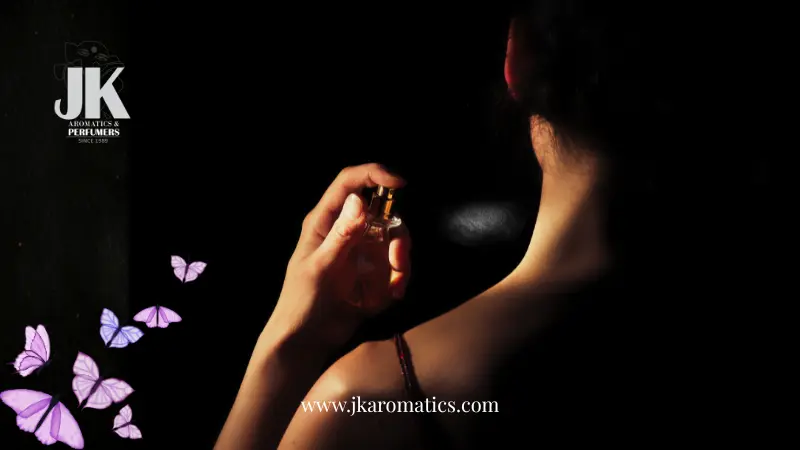
Have you ever walked past someone and thought, "Wow, their perfume is amazing!" Or perhaps you've wished for a scent that perfectly captures your unique personality, mood, or brand? In a world filled with mass-produced fragrances, having your very own custom scent is like owning a piece of art that only you possess. It is a powerful form of self-expression, a way to make a lasting impression, and for businesses, a brilliant strategy to connect with customers on a deeper, more emotional level.
Creating a custom fragrance might sound like something only big brands can do, but we are here to tell you that it's an exciting journey accessible to individuals and businesses alike. We systematically analyzed the entire process, breaking it down into five clear, manageable steps. Our goal is to demystify the art and science of perfumery, guiding you through how to develop a signature scent that truly captivates and converts, whether for personal use or commercial success.
Think about it, our sense of smell is incredibly powerful. It is directly linked to our memory and emotions, more so than any other sense. A particular scent can transport you back to a cherished childhood memory, evoke a feeling of comfort, or even influence your perception of a brand. This is why a signature scent is not just a nice-to-have, it is a strategic asset.
We have seen firsthand how carefully crafted scents can transform perceptions and drive engagement. Let us explore the steps to unlock this potential for yourself or your enterprise.
The first and most crucial step in custom fragrance creation is understanding your preferences and what you want the scent to communicate. This is like building the foundation of a house, you need to know what you like and what mood you want to set. We systematically help our clients explore a diverse palette of scent families and notes.
Fragrances are broadly categorized into families, each with its own distinct character. Getting to know these can help you narrow down your choices:
Ask yourself, what smells make you feel happy, confident, relaxed, or professional? Do you prefer light and airy, or deep and mysterious? Do certain ingredients trigger positive or negative memories for you? Jotting down these thoughts can be an invaluable starting point for your perfumer.
Every fragrance is a carefully composed symphony of different aromatic raw materials, known as notes. These notes are divided into three layers, or "tiers," that unfold over time, creating the fragrance's journey from initial spray to its lingering trail.
We systematically approach fragrance composition by balancing these three layers to ensure a harmonious and evolving scent experience. Understanding these layers helps us communicate effectively with perfumers about desired outcomes.
The concentration of aromatic compounds in a fragrance affects its intensity, longevity, and price. Here is a quick breakdown:
| Type | Fragrance Concentration | Longevity (Approx.) | Description |
|---|---|---|---|
| Eau de Cologne (EDC) | 2-4% | 1-2 hours | Lightest, refreshing, often used for a quick burst of scent. |
| Eau de Toilette (EDT) | 5-15% | 3-5 hours | Popular choice for everyday wear, more potent than EDC. |
| Eau de Parfum (EDP) | 15-20% | 6-8 hours | Higher concentration, stronger and longer-lasting, good for evenings. |
| Parfum/Extrait de Parfum | 20-40% | 8+ hours | Highest concentration, most intense and longest-lasting, usually dabbed, not sprayed. |
Unless you are a trained perfumer yourself, you will need to collaborate with professionals to bring your custom scent idea to life. This is where expertise, experience, and a deep understanding of aromatic chemistry come into play. We systematically evaluate partners based on their creative capabilities, technical knowledge, and adherence to quality and safety standards.
Look for a company or perfumer with a proven track record in custom fragrance development. They should have:
When working with a manufacturer for commercial purposes, understanding aspects like minimum order quantities (MOQs) and pricing structures is vital. We recommend exploring resources like Private Label Perfume Manufacturing India: Costs, MOQ & Suppliers to get a clear picture of what to expect when scaling up your custom fragrance project.
Once you have chosen your partner, the next step is to create a detailed "fragrance brief." This document outlines all your requirements, inspirations, target audience, budget, and desired scent profile. The clearer your brief, the more precise and efficient the development process will be.
Fragrance development is rarely a one-shot deal. It is an iterative process, much like painting a masterpiece, where layers are added, adjusted, and perfected over time. This stage involves sampling, testing, and providing constructive feedback.
Your perfumer will create several scent variations based on your brief. These will be presented to you as samples. Do not rush this process! Live with the samples, test them on your skin (or in your product, if it is for commercial use), and observe how they evolve over several hours. Pay attention to:
For businesses, involving a small focus group at this stage can provide invaluable insights into consumer preferences and potential market reception. For those in India, understanding the dynamics of obtaining samples efficiently can streamline this process. We often guide clients through options like Fragrance Sampling India: Free Samples, Fast Delivery | JK Aromat to ensure a smooth and timely evaluation of scent variations.
Be specific with your feedback. Instead of saying "I do not like it," try to pinpoint what exactly needs adjustment: "It is a bit too floral, could we add more woody notes?" or "The dry-down feels too heavy, can we lighten the base?" Good communication with your perfumer is key to refining the fragrance until it is absolutely perfect.
Once your custom fragrance is perfected and approved, it is time for the exciting step of scaling up for production. This phase involves meticulous planning, quality control, and strategic launch considerations.
Your chosen manufacturer will take your approved formula and produce the fragrance in larger quantities. This process demands strict quality control to ensure consistency across batches. Every component, from the raw materials to the final blend, is carefully checked. This ensures that every bottle, every product containing your signature scent, delivers the exact aromatic experience you envisioned.
For commercial products, the packaging is almost as important as the scent itself. It is the first physical interaction a customer has with your brand. Consider the bottle design, labeling, and outer packaging – do they reflect the essence of your fragrance and brand identity? The presentation should complement the sensory experience, creating a cohesive and attractive product.
With your custom fragrance manufactured and packaged, the final step is to introduce it to your target audience. Whether it is for personal use, a gift, or a commercial product line, your signature scent is now ready to make its mark. This could involve marketing campaigns, launch events, or simply incorporating it into your brand's existing Products | JK Aromatics and Perfumers line-up.
We systematically observe that custom fragrance development extends far beyond just personal perfumes. Its applications are incredibly diverse:
Every industry can benefit from a unique olfactory signature. It is about creating an emotional connection, a sensory experience that resonates deeply with individuals.
Developing a custom fragrance is an enriching and rewarding experience. It is a journey that combines creativity, science, and strategic thinking to craft something truly unique and impactful. By following these five steps - discovering your scent personality, understanding fragrance components, partnering with experts, iterating through refinement, and finally, managing production and launch - you can successfully create a signature scent that sets you apart.
At J.K. Aromatics & Perfumers, we are passionate about guiding our clients through every stage of this fascinating process. We believe that everyone deserves a scent that tells their unique story, whether it is an individual seeking self-expression or a brand aiming to leave an unforgettable impression. Your signature scent is not just a smell, it is a statement, a memory, and a powerful tool. Let us help you craft yours.
Partner with JK Aromatics for innovative fragrance solutions that elevate your brand and delight your customers. Our team of experts is ready to bring your vision to life.