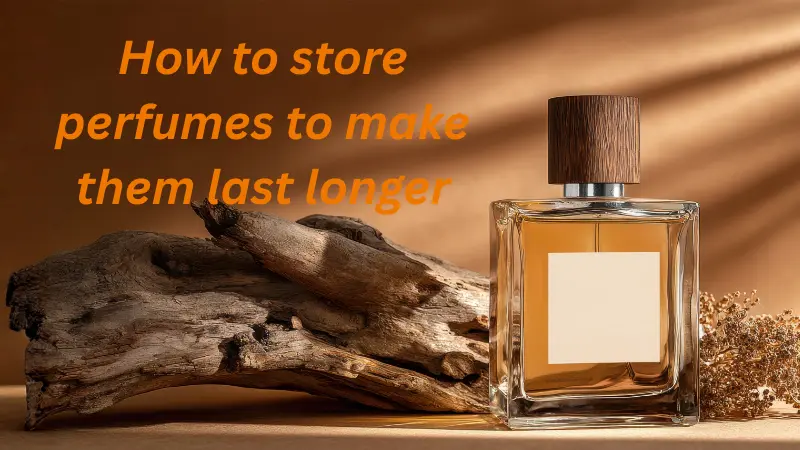
You just bought that gorgeous bottle of perfume. The scent is perfect, the bottle looks beautiful on your dresser, and you're already imagining all the compliments coming your way. But six months later? The fragrance smells different. Or worse, it's lost that sparkle it once had.
If this sounds familiar, you're not alone. Most people don't realize that how you store your perfumes matters just as much as which one you buy. Think of perfume like fresh milk—leave it out in the sun, and it'll spoil faster than you'd expect.
Let's talk about how to store perfumes properly so they stay fresh, smell amazing, and actually last as long as the bottle promises.
Here's the thing: perfumes are delicate. They're made of volatile compounds, essential oils, alcohol, and aromatic molecules that react to their surroundings. When exposed to heat, light, or air, these ingredients start breaking down. The result? Your expensive fragrance turns into something that smells... off.
Good storage isn't just about keeping the bottle safe. It's about preserving the scent exactly as the perfumer intended it. Whether you're using fine fragrances or affordable daily-wear scents, proper care extends their life by months or even years.
Before we get into storage tips, you need to know what's actually damaging your perfumes.
UV rays are brutal on perfume. They break down the chemical structure of fragrance oils and change the color and scent over time. Ever noticed a perfume bottle turning darker or slightly yellow? That's light damage.
Even indoor lighting can cause slow degradation if the bottle sits under it for months.
Perfumes hate heat. High temperatures speed up chemical reactions inside the bottle, causing the alcohol to evaporate faster and the fragrance notes to separate or "turn." That's why leaving your perfume in a hot car or near a sunny window is basically asking it to spoil.
Bathrooms are also risky because of the constant temperature changes from hot showers.
Every time you open a perfume bottle, a little bit of air gets in. Oxygen reacts with the fragrance compounds, gradually altering the scent. This process is called oxidation, and it's why half-empty bottles often smell different than fresh ones.
The more air inside the bottle, the faster this happens.
Now that you know the enemies, let's talk about the best places to keep your perfumes safe.
Cool, Dark Closets or Drawers
A bedroom closet or dresser drawer is ideal. It's away from light, maintains a stable temperature, and keeps the bottles protected. This is honestly the easiest solution for most people.
Original Boxes
Those fancy boxes your perfume comes in? They're not just for show. They block out light and add an extra layer of protection. Keep the bottle in its box, especially if you're storing it long-term.
Fragrance Fridges (Yes, That's a Thing)
Some perfume collectors invest in small fridges dedicated to fragrances. The consistent cool temperature helps preserve scents for years. But a regular fridge works too if you don't mind your perfume chilling next to the milk.
Just make sure the fridge isn't too cold. Extreme cold can also mess with the formula.
Bathroom Counters
Hot showers, humidity, temperature swings—bathrooms are perfume killers. If your bottle lives near the sink or tub, move it today.
Window Sills or Dressers Near Windows
Direct sunlight is perfume's worst nightmare. Even if the bottle looks pretty catching the light, it's slowly getting destroyed.
Cars or Hot Areas
Never, ever leave perfume in your car during summer. The heat can cook the fragrance in hours, turning it into something unrecognizable.
Let me break this down into simple, actionable steps.
Always close the bottle immediately after spraying. Even a few minutes of air exposure adds up over time. Make it a habit—spray, cap, done.
Perfume bottles should sit upright to minimize the liquid's contact with the cap and sprayer. This reduces the chance of leaks and limits air exposure.
Shaking introduces air bubbles and speeds up oxidation. Your perfume isn't a cocktail—no need to mix it.
Instead of carrying your full-sized bottle everywhere, transfer a small amount into a travel atomizer. This keeps the main bottle sealed and safe at home.
If you're curious about different fragrance types for various uses, check out the range of products from JK Aromatics & Perfumers designed for everything from personal use to industrial applications.
Check your perfumes every few months. If the color has darkened significantly, the scent smells sour or flat, or the liquid looks cloudy, it might be time to let it go.
With proper storage, most perfumes last 3 to 5 years. Some can go even longer, especially if they're unopened. However, lighter scents like citrus or floral fragrances tend to degrade faster than heavier ones like oriental or woody perfumes.
Natural essential oils and alcohol-free formulas can be more sensitive and may require extra care.
Not all fragrances are created equal. Here's how to handle different types:
Eau de Parfum (EDP)
These are more concentrated and generally last longer. Store them in cool, dark places, and they can easily last 4-5 years.
Eau de Toilette (EDT)
Lighter and more volatile, EDTs are more prone to evaporation. Use them within 2-3 years for best results.
Natural Perfumes
Made with essential oils and natural ingredients, these are more delicate. Keep them in the fridge if possible, and use within 1-2 years.
Alcohol-Free Perfumes
These have different preservative properties. Store them carefully and watch for any changes in texture or smell. For more on this, see our article on alcohol-free perfume manufacturing challenges.
Let's cover what NOT to do:
If you're someone who switches scents with the seasons, store your off-season perfumes properly. Put them in their boxes, in a cool drawer, and bring them out when it's time.
This is especially useful in India where summers get intense. Want to know what works best in different seasons? Check out our seasonal fragrance guide.
Unfortunately, once a perfume has oxidized or spoiled, there's no bringing it back. The chemical changes are permanent. Your best bet is prevention—store it right from day one.
Perfume is an investment. Whether you spent a few hundred rupees or a few thousand, you deserve to enjoy every last drop at its best.
Here's the quick recap:
If you're serious about fragrances—or if you're in the business of creating them—understanding storage is just the beginning. At JK Aromatics & Perfumers, we specialize in crafting high-quality fragrances for soaps, cosmetics, candles, detergents, and more. Whether you're looking for custom fragrances or exploring options as a private label fragrance manufacturer, we've got you covered.
Want to learn more or have questions about fragrance care? Get in touch with us or explore our full range of fragrance categories.
1. Can I store perfume in the fridge?
Yes! Storing perfume in the fridge can actually help extend its shelf life. Just make sure the temperature isn't too cold, and keep it in a section that doesn't experience frequent temperature changes.
2. How do I know if my perfume has gone bad?
Look for changes in color (darkening or yellowing), a sour or vinegar-like smell, or a cloudy appearance. If any of these happen, the perfume has likely oxidized.
3. Does perfume expire?
Yes. Most perfumes last 3-5 years if stored properly. Check the PAO (Period After Opening) symbol on the bottle or box for guidance.
4. Should I keep perfume in its original box?
Absolutely. The box protects the bottle from light exposure, which is one of the main causes of fragrance degradation.
5. Is it okay to store perfume in the bathroom?
No. Bathrooms have high humidity and temperature fluctuations that can damage the fragrance. Store it in a cooler, drier place instead.
6. Can I travel with my full-size perfume bottle?
It's better to use a travel-sized atomizer and transfer a small amount. This keeps your main bottle sealed and prevents exposure to temperature changes during travel.
7. Do natural perfumes need special storage?
Yes. Natural perfumes made with essential oils are more delicate and may benefit from refrigeration. They also tend to have shorter shelf lives compared to synthetic fragrances.
Partner with JK Aromatics for innovative fragrance solutions that elevate your brand and delight your customers. Our team of experts is ready to bring your vision to life.