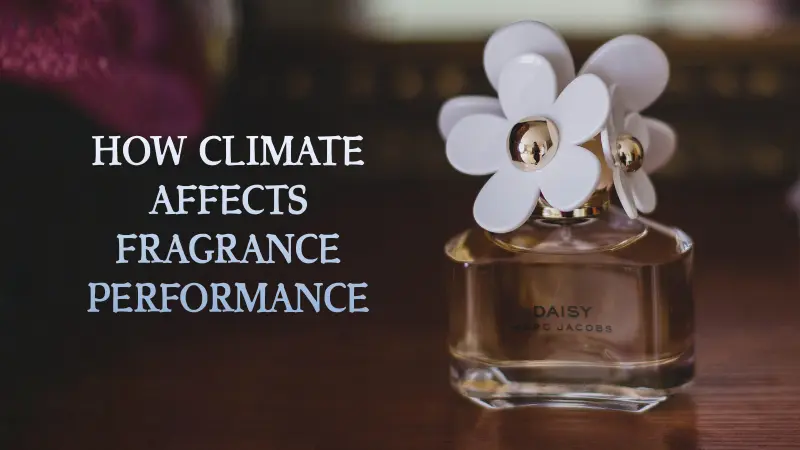
Ever noticed how your favorite perfume smells amazing in winter but seems to disappear within an hour during summer? Or how that cologne you loved on vacation doesn't quite work the same back home?
You're not imagining things. Climate plays a huge role in how fragrances perform on your skin.
At JK Aromatics & Perfumers, we've spent years creating fragrances that work across India's diverse climate zones. And trust me, the difference between how a perfume behaves in humid Mumbai versus dry Delhi is like night and day.
Let's break down exactly how weather messes with your favorite scents and what you can actually do about it.
Think of fragrance molecules like tiny dancers. When it's hot, they get super energetic and evaporate quickly. When it's cold, they move slowly and stick around longer.
In Hot Weather (Above 30°C):
In Cold Weather (Below 20°C):
Here's what this means for you: that expensive bottle you bought might be working perfectly fine, it's just fighting against physics. In Chennai's summer heat, even the best fine fragrances will evaporate faster than in Shimla's cool air.
Humidity doesn't just make your hair frizzy, it completely changes how perfume sits on your skin.
When humidity is high (above 70%), your skin holds more moisture. Moist skin = better fragrance performance. Sounds good, right? Not always.
High Humidity Problems:
Low Humidity Benefits and Challenges:
This is why soap fragrances and cosmetics fragrances need different formulations for coastal versus inland regions. What works in Goa won't necessarily work in Rajasthan.
India's seasons aren't just about rain or shine, they're about completely different fragrance environments.
Temperature: 35-45°C | Humidity: 40-80%
Your perfume is fighting an uphill battle here. The heat makes everything evaporate faster, and if you're sweating, forget about it.
What Works:
What Doesn't:
Temperature: 25-35°C | Humidity: 80-95%
This is where things get tricky. High humidity means perfumes stick around, but they also smell different. Everything feels heavier.
What Works:
What Doesn't:
Temperature: 10-25°C | Humidity: 30-60%
Perfect perfume weather. Scents last longer, develop beautifully, and you can finally wear those rich fragrances you've been saving.
What Works:
Check out our seasonal fragrance guide for specific recommendations.
Your skin type combined with climate creates a unique fragrance environment.
Oily Skin + Hot Climate: Best combination for longevity but can make scents smell too intense. Natural oils mix with perfume oils, creating a stronger scent bubble.
Dry Skin + Dry Climate: Worst combo for fragrance performance. Perfume evaporates almost immediately. You'll need to moisturize first or use oil-based fragrances.
Normal Skin + Humid Climate: Generally works well. Just avoid super heavy scents that might feel suffocating.
Pro tip from our formulators at JK Aromatics & Perfumers: Apply an unscented lotion before your perfume in dry weather. It's like giving fragrance molecules a sticky surface to hold onto.
At JK Aromatics & Perfumers, we don't just make one perfume and hope it works everywhere. Climate-specific formulation is a real thing.
For Hot, Humid Regions:
For Dry, Cool Regions:
This matters especially for detergent fragrances and incense sticks, where consistent performance across regions is crucial.
Don't just blame the weather, work with it.
Universal Tips:
For Hot Weather:
For Humid Weather:
For Cold, Dry Weather:
Let's get slightly nerdy for a second.
Temperature affects the volatility of aromatic compounds. Each fragrance note has a specific evaporation point:
In hot weather, even base notes start acting like top notes. Your perfume rushes through all its stages faster than intended. The careful progression the perfumer designed? Gone.
Humidity affects how scent molecules travel through air. In humid conditions, there's more water vapor blocking the path. Ironically, this sometimes makes fragrances last longer on skin but project less through the air.
Climate considerations aren't just for personal perfumes. If you're making products, this stuff matters even more.
Detergent soaps need fragrances that survive:
At JK Aromatics & Perfumers, we test our industrial fragrances across different climate zones before finalizing formulations. What works in an air-conditioned mall in Bangalore might fail in a small shop in Patna.
Myth 1: "Expensive perfumes work in any climate"
Nope. Even luxury fragrances struggle in extreme conditions. Price doesn't make molecules defy physics.
Myth 2: "Spraying more helps in hot weather"
Actually makes it worse. You just create an overwhelming initial cloud that still fades fast.
Myth 3: "Natural fragrances last longer than synthetic"
Not necessarily. Some synthetic molecules are specifically designed for better longevity. Check out our article on natural vs synthetic fragrances.
Myth 4: "Climate doesn't affect fragrances in bottles"
It absolutely does. Heat and humidity degrade perfumes over time, even unopened.
When shopping for perfume, think about where you'll actually wear it.
For Tropical and Coastal Regions: Look for: Citrus, aquatic, green, light florals, fresh herbs Avoid: Heavy orientals, thick vanillas, strong musks
For Continental and Dry Regions: Look for: Woods, spices, amber, leather, rich florals Avoid: Very light citrus (won't last), overly fresh scents
For Mountainous and Cool Regions: Look for: Warm spices, deep woods, gourmands, rich musks Avoid: Very light aquatics, cool minty notes
If you need custom fragrances designed for specific climate zones, that's literally what we do at JK Aromatics & Perfumers.
The fragrance industry is evolving. With climate change making weather patterns more unpredictable, manufacturers are developing:
As one of the leading fragrance manufacturers in India, we're investing in research to create perfumes that perform consistently regardless of where you wear them.
Climate isn't something you can control, but understanding how it affects your perfume helps you choose and wear fragrances smarter.
The expensive bottle that "doesn't last" might just need a different application strategy. That perfume you "grew out of" might work perfectly in a different season. And those fragrance notes that overwhelm you in summer could be your signature scent in winter.
Weather and fragrance are forever linked. Work with the climate, not against it, and your perfumes will perform way better.
Want fragrances specifically designed for Indian climate conditions? JK Aromatics & Perfumers creates formulations tested across the country's diverse weather zones. Get in touch with us to discuss your fragrance needs.
Why does my perfume smell different in summer vs winter?
Temperature changes how fast fragrance molecules evaporate. Hot weather makes perfumes smell stronger initially but fade faster. Cold weather slows down evaporation, making scents last longer but develop more gradually.
Does humidity make perfume last longer?
Yes and no. Humid air helps perfume stick to your moist skin longer, but it can also make heavy scents feel overwhelming and change how certain notes smell.
Should I change my perfume with the seasons?
Absolutely. Light, fresh scents work better in hot weather, while rich, warm fragrances shine in cold weather. Your year-round signature scent might disappoint in extreme conditions.
How do I make perfume last in hot, humid weather?
Moisturize before applying, spray on clothes instead of just skin, use alcohol-free oils or attars, choose lighter citrus or aquatic fragrances, and reapply more frequently.
Do climate conditions affect stored perfumes?
Yes. Heat, light, and humidity degrade perfumes over time. Store bottles in cool, dark, dry places. Never leave perfume in your car or near windows.
Are there perfumes specifically made for tropical climates?
Yes. Many manufacturers including JK Aromatics & Perfumers create climate-specific formulations with special fixatives and compositions designed for hot, humid conditions.
Partner with JK Aromatics for innovative fragrance solutions that elevate your brand and delight your customers. Our team of experts is ready to bring your vision to life.